Plant native. Restore habitat. Start small.
RewildMiami is a community effort to restore native habitat, support urban biodiversity, and help Miami neighborhoods become more resilient, beautiful, and alive.
Streamline Your Conservation Journey Online
Streamline Your Conservation Journey Online
Why Miami Needs Rewilding
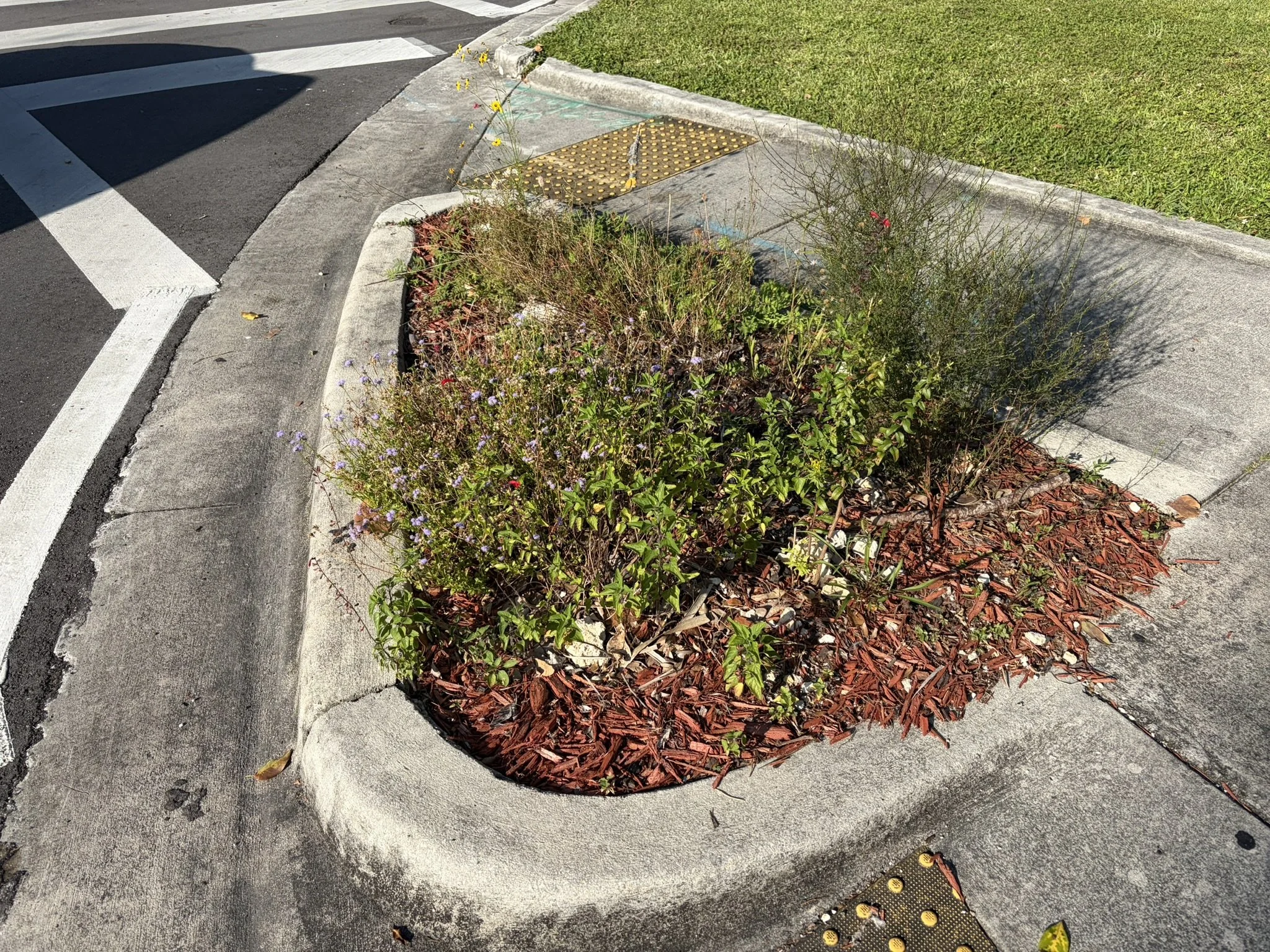
Miami sits in a unique ecological region shaped by tropical hardwood hammocks, pine rocklands, wetlands, mangroves, and Biscayne Bay. Much of this habitat has been fragmented — but even small spaces can become stepping stones for wildlife.
Yards, balconies, schools, community gardens, street edges, and parks can help reconnect that landscape. Start where you are, learn as you go, and take one small action this week.

How ReWildMiami Works
A practical, three-part approach to turning Miami's outdoor spaces into living habitat — one small patch at a time.
Teach
Learn what to plant, remove, observe, and avoid. Practical guides built for Miami's unique ecology — no expertise required.
Document
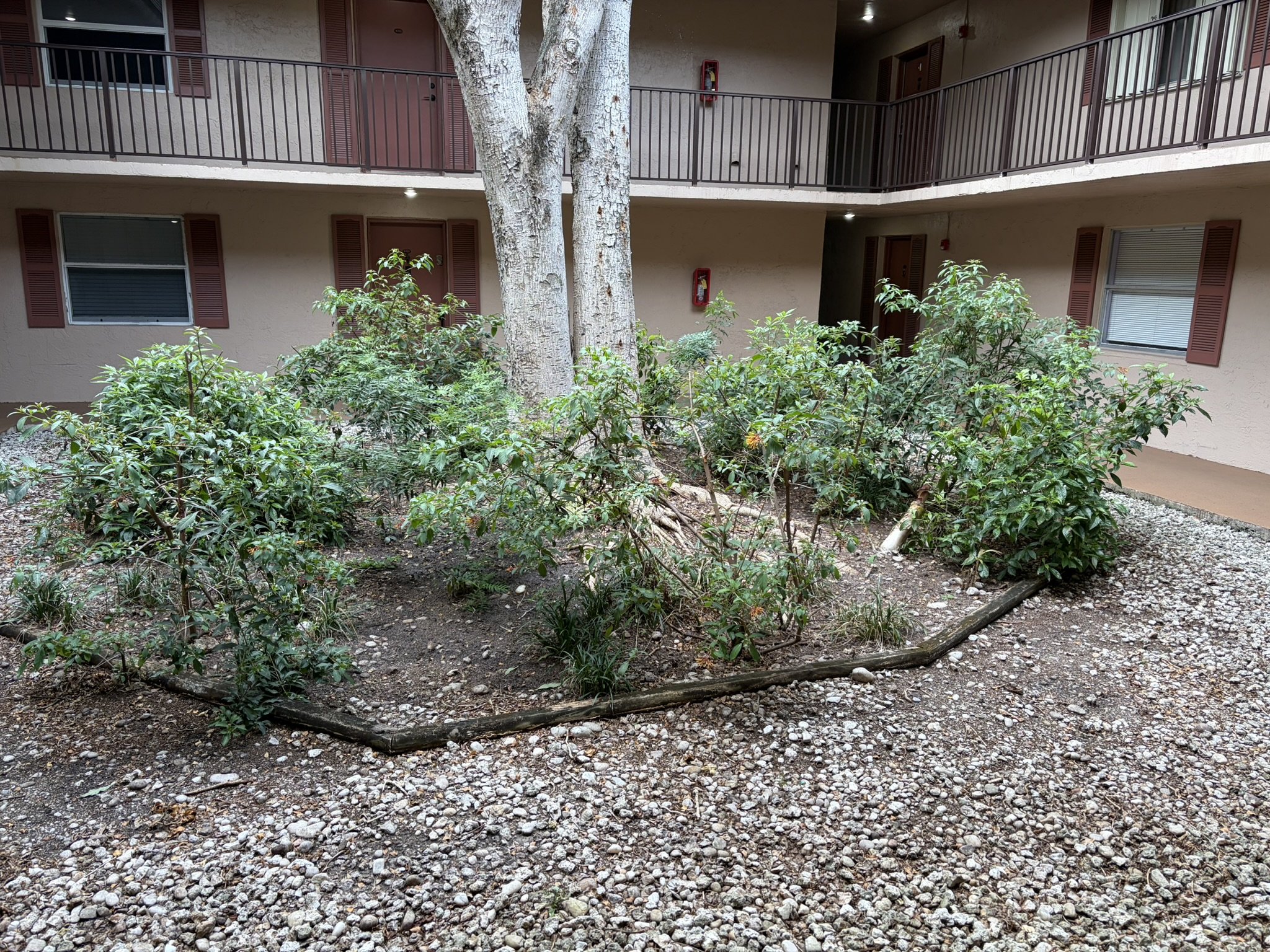
See real local transformations — tiny projects, imperfect experiments, and before-and-after progress from neighbors across the city. No large yard required.
Act
Who ReWildMiami Is For
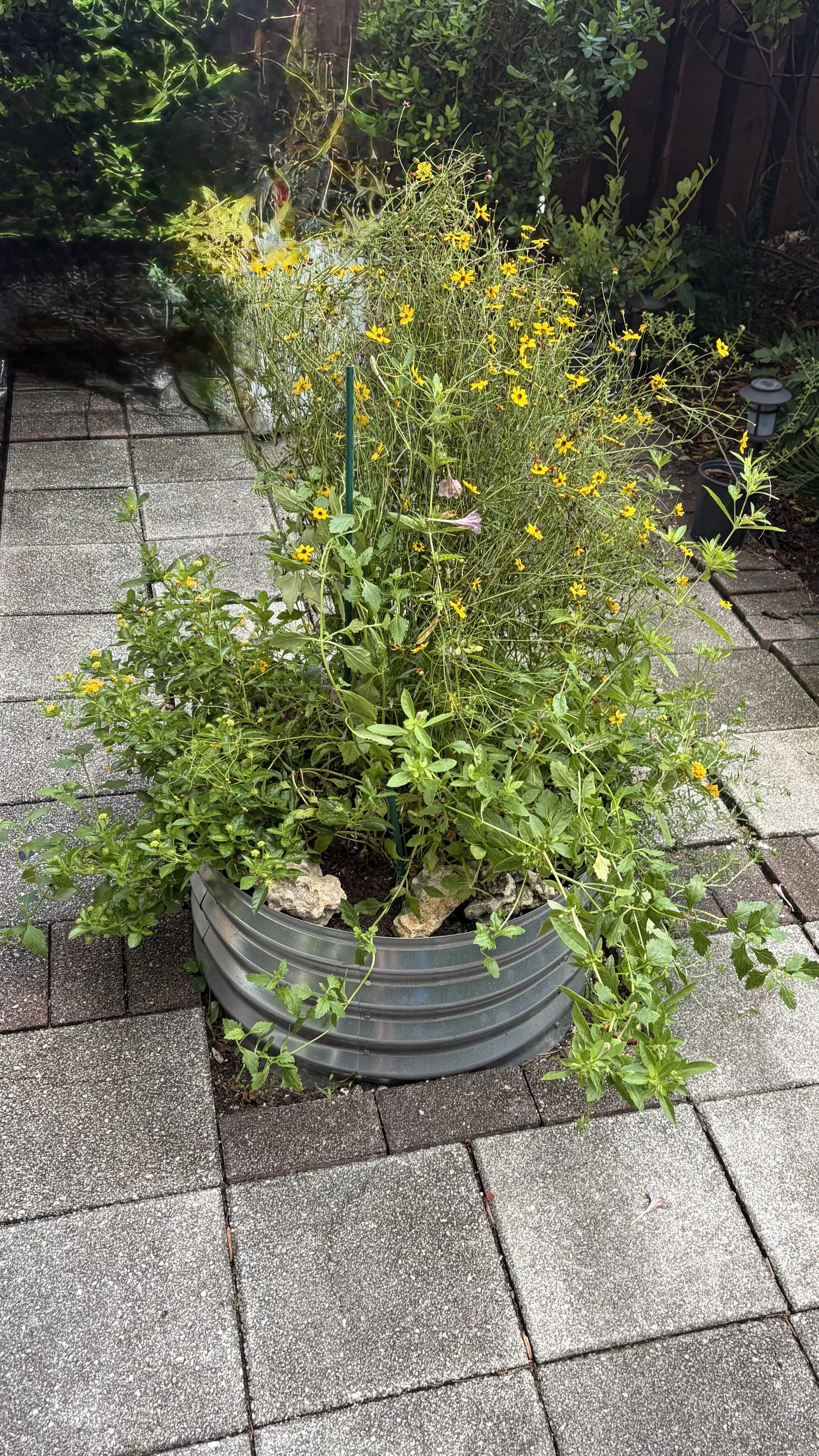
Never planted a native before? No problem. Simple plant lists, small-space projects, and real photos show you that one square foot of habitat is better than zero.
Beginners & Curious Neighbors
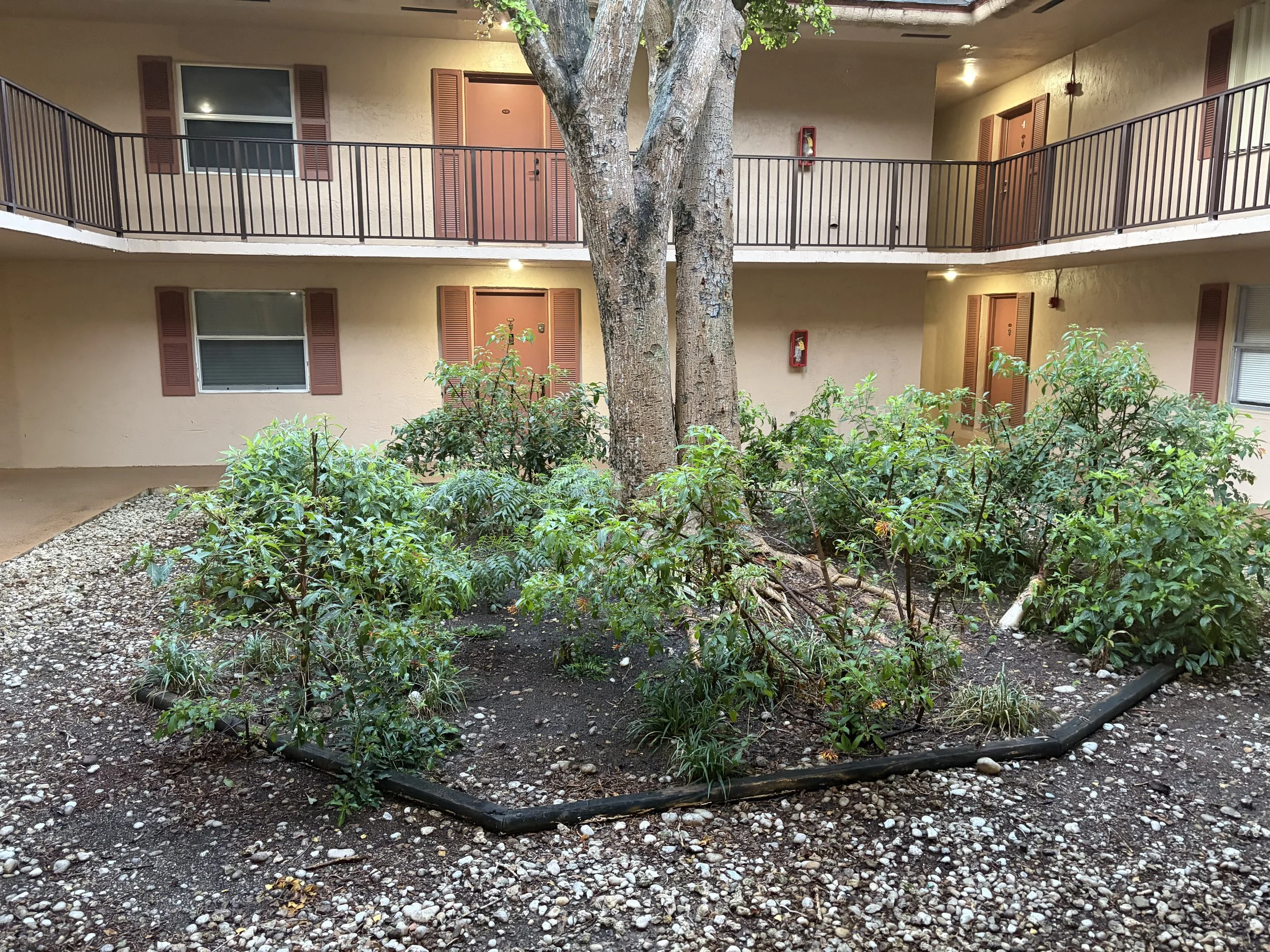
Yards, balconies, patios, curb strips, and container gardens all count. Find low-maintenance plants, HOA-friendly options, and guidance for sun, shade, salt, flooding, and drought.
Homeowners, Renters & HOA Members
Safe, simple projects for classrooms and backyards. Connect science, art, and wildlife observation — with low-cost starter plans and service-hour ideas built in.
Schools, Families & Youth Groups

Enthusiasts, Leaders & Local Partners
Already passionate about native plants, birding, butterflies, or restoration? Become a contributor, volunteer, or neighborhood guide. Community organizations, nurseries, schools, and local businesses — there are clear ways to collaborate and real projects to join.
Guiding Principles
Start Small
A balcony, verge, planter, schoolyard corner, or front-yard patch can become habitat. No large space required.
Plant Native First
Prioritize plants that support local wildlife and fit Miami's climate. Right plant, right place — match to sun, shade, salt, wind, soil, water, and mature size.
Design for Layers
Combine groundcovers, grasses, shrubs, vines, understory trees, and canopy trees where possible. Layered habitat supports more wildlife.
Reduce Harm
Avoid pesticides, invasive plants, unnecessary irrigation, and unnecessary fertilizer. Small reductions add up across a neighborhood.
Document & Celebrate
Save before photos, plant names, locations, and wildlife observations. Share progress. Proof of change inspires more change.
What Counts as a ReWildMiami Action




What Counts as a ReWildMiami Action
Do I need a yard?
1
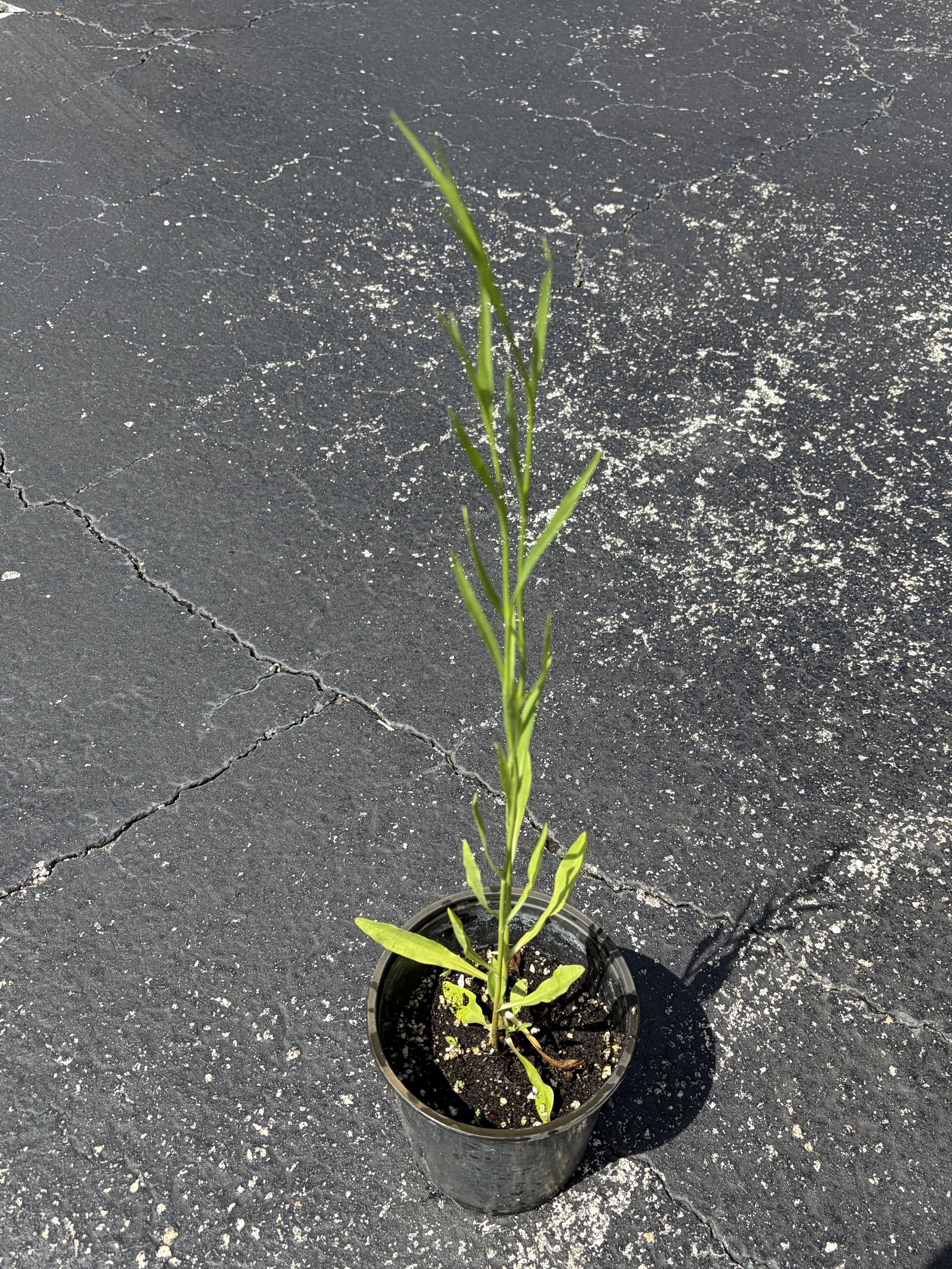
No. Valid starter actions include planting one native in a pot, converting a balcony corner into habitat, or logging a wildlife observation. Any space counts.
What if I rent or have HOA restrictions?
2
Container gardens, balcony planters, and small patio patches all qualify. ReWildMiami is designed for real Miami conditions — including HOA limits, rented spaces, and small footprints.
What are some first actions I can take this week?
3
Replace one turf patch with native plants. Remove one invasive plant. Stop pesticide use in one area. Add a small layered planting under an existing tree. Share a before photo and a 30-day update.
Can I help a school, church, or community garden?
4
Yes — helping a school, condo, business, or community garden start a native patch is a full ReWildMiami action. Community-scale projects are exactly what this movement is built for.